
Start with the title, not the sales pitch
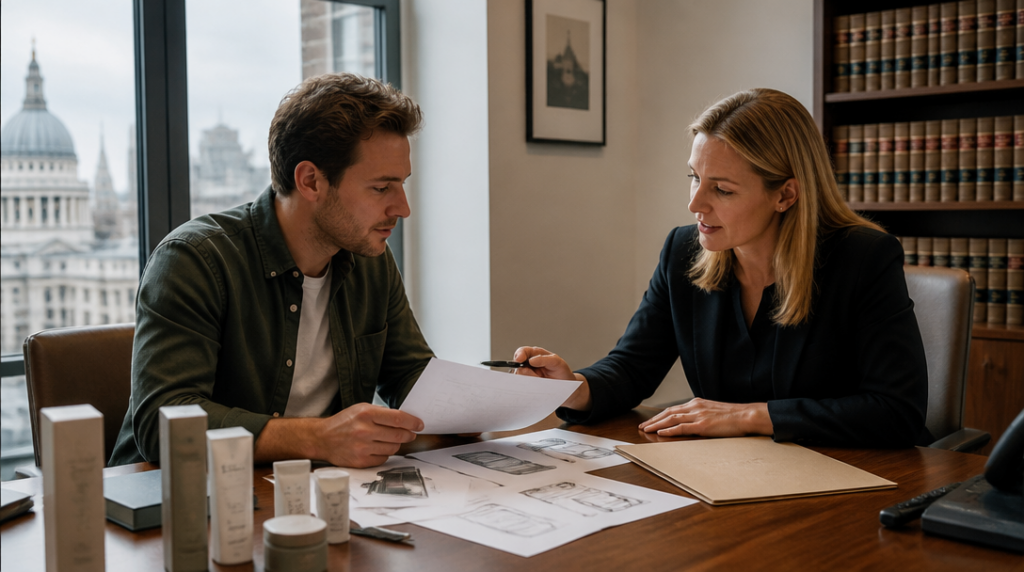
One business owner walks into a meeting with a folder of sketches, product photographs and a name they have been using for three years. They want protection before a competitor notices the same idea. Another arrives with a cease-and-desist letter open on a laptop, the cursor blinking beside a deadline. Both need help with trade marks, but they do not need quite the same professional.
That distinction should shape your search from the first phone call. A straightforward UK application may call for a careful filing strategy and sensible advice about classes of goods and services. A dispute involving threatened court action requires someone who understands enforcement, evidence and the boundaries between trade mark attorney work and litigation handled by solicitors or barristers.
The safest starting point is the professional title. Look for a Registered Trade Mark Attorney or Registered Trade Mark Agent. These are protected titles, reserved for regulated professionals. Check the person’s name in the IPReg register rather than relying on a polished website, a prominent office or a recommendation passed along in a hurried email.
That check takes minutes. It tells you whether the person is currently registered, rather than merely presenting qualifications from an earlier stage of their career. A regulated representative must renew their registration every year, maintain professional insurance, complete continuing professional education and follow a professional code of conduct. Those requirements do not guarantee that you have found the right fit, but they establish a floor beneath the relationship.
A person who becomes vague when asked about registration is giving you useful information. Move on.
Build a shortlist that matches the problem
A directory such as CITMA’s can help create a shortlist, particularly if you are searching outside London or need a specialist in a particular industry. CITMA is a statutory-approved professional regulator and, in practice, delegates regulation to the independent IPReg, which was established in 2010. The directory is a starting point, not a verdict. You still need to test how each candidate thinks.
Begin with the shape of your business. A technology start-up with a software name, a food producer preparing a retail launch and a fashion label expanding into Europe may all ask for a trade mark application, yet the commercial pressure around each application is different. Ask whether the attorney regularly works with businesses at your stage and in your sector. Someone who spends most of their time on large pharmaceutical portfolios may be excellent, but not necessarily the best person for a small company that needs practical advice without layers of internal review.
Look closely at the firm’s explanation of its work. Does it distinguish searching from filing, filing from prosecution and registration from enforcement? Does it explain what happens if the UK Intellectual Property Office raises an objection or if another brand opposes the application? A useful attorney makes the route visible. You should not need to decode a page of dense terminology to understand what you are buying.
Ask for the name of the person who will actually handle the matter. In a small practice, that may be the person you meet. In a larger firm, the partner who wins your instruction may pass the work to an associate or administrator. There is nothing inherently wrong with that arrangement, but the handover should be clear, and you should know who will make strategic decisions if the application becomes difficult.
Test their judgement before you instruct them
The first consultation is not just an opportunity for the attorney to collect information. It is an audition. Bring the proposed brand, its spelling variations, a description of what you sell now and what you may sell later. Mention similar names you have noticed, even if they seem to belong to unrelated companies. A good attorney will ask questions that expose the real risk: whether the name is descriptive, how distinctive the logo is, whether the business expects to license it and which markets matter within the next few years.
Pay attention to the questions they do not ask. If nobody wants to know how the mark will be used, what goods and services are involved or whether the business has already spent money on packaging, the advice may be too shallow. Trade mark protection is not an abstract badge. It is tied to how a sign functions in commerce and how far the application should sensibly reach.
You can also ask how they would approach a preliminary search. The answer need not reveal confidential methods, but it should show an awareness that searches have limits. A clean search is not a magic certificate. Earlier rights, unregistered reputation and marks in neighbouring categories can still complicate a launch. An attorney who promises certainty where the facts do not support it is selling reassurance, not judgement.
For many businesses, communication matters as much as technical ability. Ask how quickly they normally respond, who will contact you about official deadlines and whether routine correspondence is included in the quoted fee. A trade mark file can remain quiet for weeks and then demand a fast decision. You want an adviser who can explain urgency without manufacturing panic.
Read the quotation line by line
A quote that looks inexpensive may simply leave important work outside the frame. Ask the attorney to separate their professional fees from official UKIPO charges. The basic application fee for registering a UK trade mark is at least £205, and the process usually takes roughly three to four months if it proceeds without complications. The official fee is not the attorney’s fee, and neither figure necessarily covers objections, amendments, hearings or opposition proceedings.
The quotation should make those boundaries plain. Check whether it covers an initial search, advice on classes, preparation and filing, responses to examination reports, monitoring of the application and the final registration stage. Some firms offer a low fixed fee for filing and charge separately for each response. Others bundle a wider service but exclude searches or third-party objections. Either model can work; confusion cannot.
Ask what happens if the application encounters a problem. You may be charged hourly for correspondence with the examiner, or you may receive a separate estimate before further work begins. Find out the hourly rates of everyone who might work on the file, including trainees and senior staff. Also ask whether VAT will be added and whether renewal reminders are part of the service after registration.
The cheapest quote is often the wrong comparison. A narrowly drafted application can save money on day one and create an expensive weakness later, especially if the business grows into products or services that were not considered at filing. The attorney should be able to explain the commercial reasoning behind the proposed classes rather than simply selecting the broadest possible list.
Treat disputes as a separate category
An application and a fight over an existing brand are different jobs. If you expect opposition, infringement proceedings or a court claim, ask directly about litigation experience. Trade mark attorney regulation covers activities including representation before the Comptroller, but court proceedings may also require solicitors or barristers.
That does not mean a registered attorney becomes irrelevant once a dispute escalates. They may understand the trade mark portfolio, the examination history and the technical issues more deeply than a general commercial lawyer. The question is how the professionals will work together. Ask whether the firm handles disputes internally, has established relationships with litigation specialists or will refer the matter elsewhere. Find out who will control the strategy, who will draft formal documents and how the costs may change if the dispute moves from correspondence into proceedings.
A candidate who has handled only routine registrations should not be treated as a disputes specialist simply because the firm’s website uses words such as “enforcement” and “brand protection.” Ask for an anonymised example of a similar matter and press gently on what made it difficult. The answer will reveal more than a list of sectors.
Look for a working relationship, not a ceremonial expert
The best attorney for a small company is often the one who can sit with uncertainty without turning it into theatre. They may tell you that a proposed name has a serious conflict, suggest a better alternative and save months of investment in packaging. They may also advise filing sooner, before a public launch creates a trail of evidence and a competitor has time to react.
Trust is built through specifics. You should leave the initial conversation knowing what information the attorney needs, what the first stage will cost, which decisions belong to you and what could derail the application. If the advice is full of grand claims but thin on next steps, the relationship will probably feel much less impressive once the first official letter arrives.
A good fit should be able to discuss risk in plain English, without pretending that every outcome can be predicted. They should also respect the value of your time. Long silences, unexplained invoices and messages that merely forward official wording are not signs of premium service, whatever the letterhead says.
Before instructing anyone, verify the protected title, check current registration, compare two or three detailed quotations and ask the awkward question about disputes. Then choose the person whose advice still makes sense after the meeting room has emptied, the coffee has gone cold and you are looking again at the name on your product.